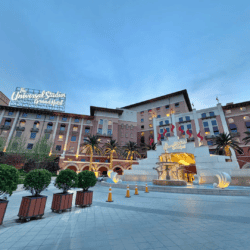
Visiting mainland China for a theme park trip is more straightforward than most first-timers expect, but it does require preparation that Hong Kong, Japan, or Southeast Asia do not. The Great Firewall blocks Google, Facebook, Instagram, and WhatsApp. Cash is nearly obsolete — mobile payment is how the country runs. And the visa situation has changed dramatically in the last two years, with most nationalities now able to enter without one.
If you get three things right before you leave home — your entry permission, a working VPN, and a mobile payment app — everything else falls into place once you land. This guide covers every practical detail for visitors heading to Shanghai Disneyland or Universal Studios Beijing.
Quick Take
🪪 Visa: Most nationalities now enter visa-free for 30 days — check the decision table below
📡 Internet: Google, Facebook, Instagram, WhatsApp are BLOCKED — set up a VPN before you arrive
💳 Payment: WeChat Pay and Alipay are essential — both now accept international credit cards
🔌 Plugs: Type I (Australian-style) and Type A (US/Japan flat), 220V
💵 Tipping: Not expected anywhere
📱 Must-have apps: WeChat, Alipay, Baidu Maps (Google Maps doesn‘t work), DiDi (ride-hailing)
🌡 Best months: March–May and September–November
Stay connected in China:
- VPN → NordVPN (up to 74% off new customer)
- eSIM → Airalo (New customers get 15% off with code AFF15NEW, existing customers get 10% off with code AFF10ALL)
🏰 This post contains affiliate links. Our planning guides are free, but using our links helps support us at no extra cost to you.
- Visa and Entry
- Getting from the Airport to the City
- Getting Around China
- Payments and Money
- Internet and Data (The Great Firewall)
- Language
- Weather and What to Pack
- Plugs and Power
- Accommodation Registration
- Important Apps
- Day Trips: What to Do with an Extra Day
- Is China Safe for Tourists?
- Visiting Theme Parks in China: Culture Worth Knowing
- My Take
Visa and Entry
China’s visa rules have changed dramatically since 2024. Most nationalities that previously needed a tourist visa can now enter visa-free. Before you apply for anything, check which pathway applies to you.
Visa Decision Table
| Your situation | Entry pathway | Stay allowed | Need a visa? |
|---|---|---|---|
| Singapore, Malaysia, Thailand, Philippines, Indonesia, Kazakhstan | Mutual visa-free agreement | Up to 30 days | No — ongoing bilateral agreement |
| Australia, Japan, South Korea, France, Germany, UK, Canada, US, New Zealand, and 35+ other countries | 30-day visa-free entry (unilateral) | Up to 30 days | No — extended through Dec 31, 2026 |
| Nationalities not on either list, transiting to a third country | 240-hour visa-free transit | Up to 10 days | No — need onward ticket to a third country |
| India and other nationalities not covered above | Tourist visa (L visa) | Varies (usually 30–90 days) | Yes — apply in advance at a Chinese embassy |
| Taiwan residents | Mainland Travel Permit (台胞證) | Varies | Separate permit required |
| Hong Kong / Macau residents | Home Return Permit (回鄉證) | Varies | Separate permit required |
Recently changed (February 2026): The UK and Canada were added to the 30-day unilateral visa-free list, bringing the total to approximately 50 eligible countries. The policy has been extended through December 31, 2026.
Cover Singapore, Malaysia, Thailand, Philippines, Indonesia, and several other countries. Under these bilateral deals, you fly in, clear immigration with your passport, and stay up to 30 days. No application, no paperwork. These agreements have no fixed expiry date — they are ongoing.
Recently changed (November 2025): China introduced an online arrival card system. You can now fill in your entry information digitally before arriving — through the NIA official website, the “NIA 12367” app, or by scanning a QR code at the airport. Paper arrival cards are still available at immigration if you prefer, but the digital option speeds things up.
Every traveller needs their own passport — including infants. Immigration will not admit a child without a physical passport, and hotels require a passport for accommodation registration. If you are travelling with a baby, apply for their passport well before your trip.
Always verify the latest rules with the official Chinese embassy or visa application centre in your country before booking. Visa policies can change. The information above reflects the situation as of early 2026.
Getting from the Airport to the City
Both Shanghai and Beijing have multiple airports with reliable public transport connections to the city centre and theme park areas. Here is what to expect at each.
Shanghai: Pudong International Airport (PVG)
Most international flights to Shanghai arrive at Pudong. The airport is approximately 50 km from the city centre.
| Transport | Time to city centre | Cost | Best for |
|---|---|---|---|
| Maglev + Metro | ~40 min | CNY 50 (Maglev) + CNY 3–7 (Metro) | Speed — the Maglev hits 300+ km/h |
| Metro Line 2 | ~65 min | CNY 7 | Budget — cheapest option, no transfers needed |
| Taxi | 45–90 min | CNY 150–250 | Groups, heavy luggage, late arrivals |
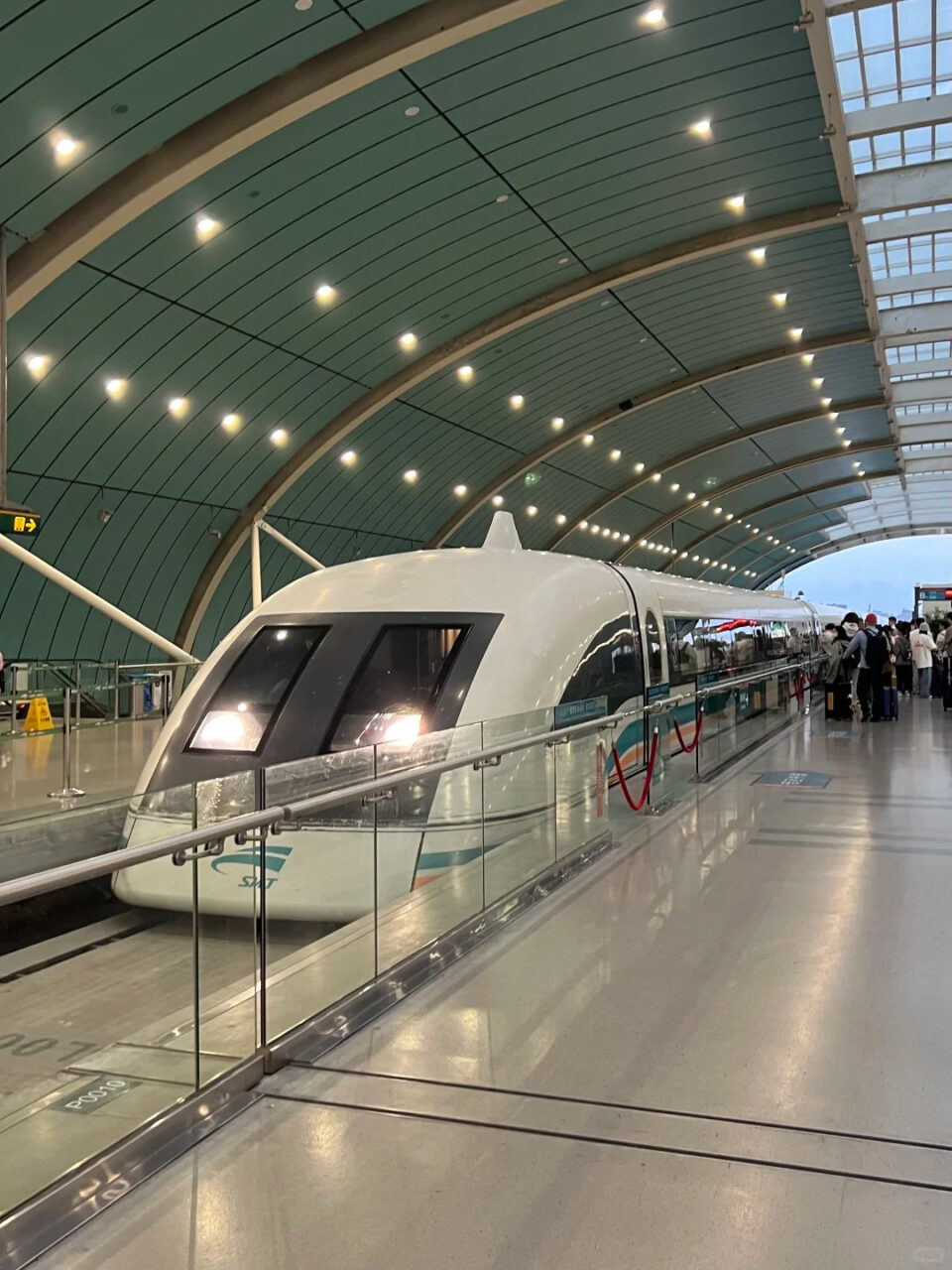
Maglev Train: The world’s fastest commercial train — 8 minutes from Pudong Airport to Longyang Road Station at up to 430 km/h (300+ km/h during off-peak hours). From Longyang Road, transfer to Metro Line 2 to reach People’s Square (city centre) in another 25–30 minutes. One-way Maglev fare is CNY 50 (CNY 40 with a same-day airline boarding pass). Worth doing once just to say you rode the world’s fastest commercial train — it hits 300 km/h in under two minutes. You can pre-purchase your ticket at Klook and present your mobile voucher to exchange for a physical ticket at the Ticket Counter.
Metro Line 2: Runs directly from PVG to People’s Square without changing trains. Takes approximately 65 minutes. The cheapest option at CNY 7. Trains run from approximately 6:00 AM to 10:30 PM.
Taxi: Available 24/7 outside the arrivals hall. CNY 150–200 during daytime, CNY 190–250 at night. Journey takes 45–60 minutes without traffic, longer during rush hours. Have your hotel address written in Chinese — most drivers do not speak English.
Going directly to Shanghai Disneyland: Take Metro Line 2 from PVG to Guanglan Road, transfer to Metro Line 16 to Luoshan Road, then transfer to Line 11 to Disney Resort Station (total approximately 90 minutes). Alternatively, a taxi from PVG to the resort costs approximately CNY 150–200 and takes 30–45 minutes.
Shanghai Hongqiao Airport (SHA): If you are arriving at Hongqiao (mainly domestic and some regional flights), the city centre is much closer — approximately 15 km. Metro Line 2 or Line 10 connects directly. Journey time is approximately 30 minutes. Taxi costs CNY 60–100.
Pro Tip: If you want to skip the metro on arrival day, Klook or Trip.com offers private airport transfers from PVG for around CNY 200. On my last trip, I was off the plane and through fingerprint registration in 25 minutes — and at the hotel 15 minutes after that. Worth it if you are arriving with luggage and want to maximize your first day.
Beijing: Daxing International Airport (PKX)
Most newer international routes use Daxing. The airport is approximately 46 km south of the city centre.
| Transport | Time to city centre | Cost | Best for |
|---|---|---|---|
| Daxing Airport Express (Metro) | 19 min to Caoqiao + transfer | CNY 35 | Speed and reliability |
| High-speed rail to Beijing West | 28 min | CNY 25–40 | Comfort, luggage space |
| Taxi | 60–90 min | CNY 200–350 | Groups, heavy luggage, late arrivals |
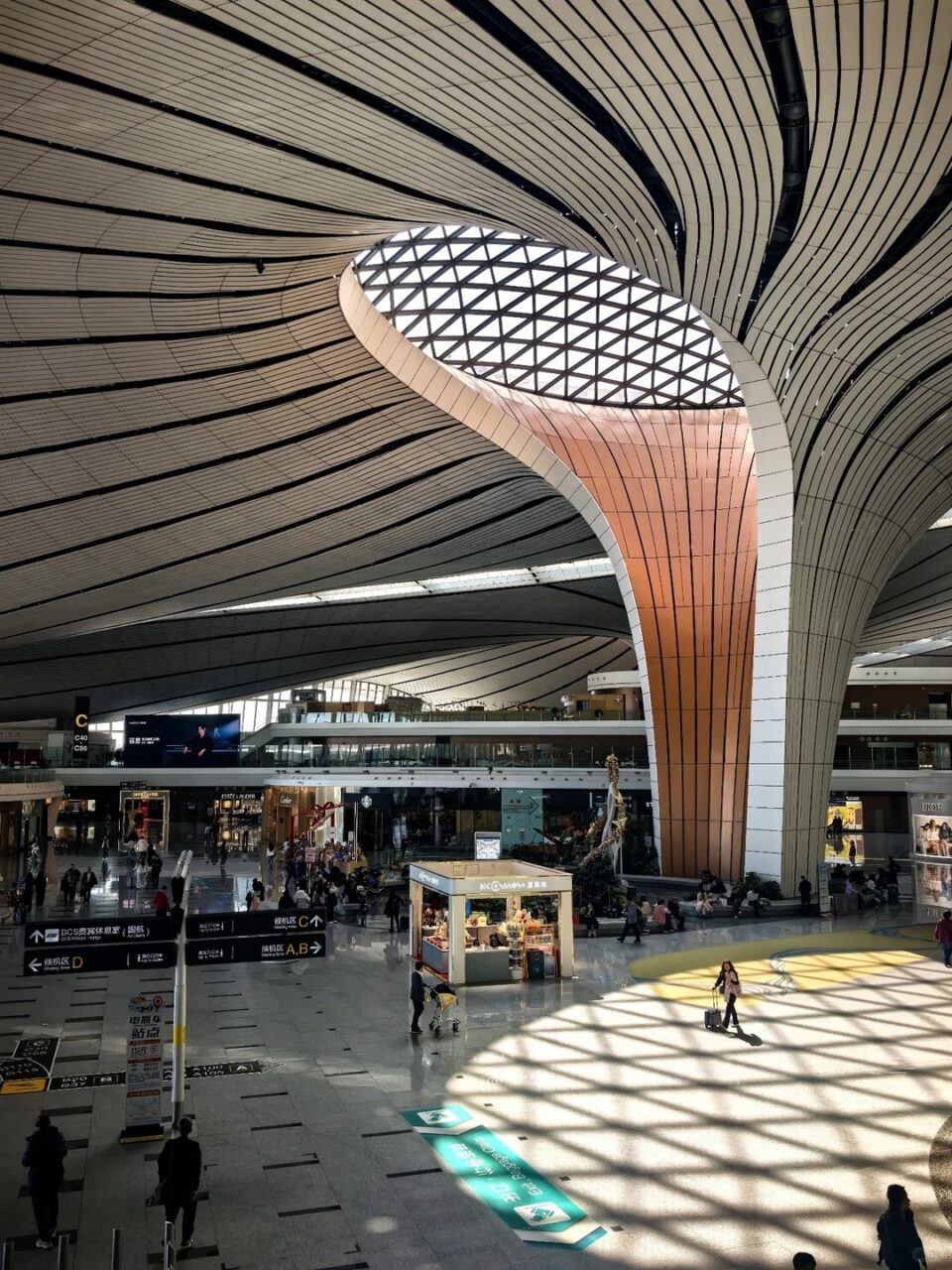
Daxing Airport Express: A dedicated subway line running at 160 km/h from the airport to Caoqiao Station in 19 minutes. At Caoqiao, transfer to Metro Line 10 or Line 19 to reach central Beijing. Total journey to Wangfujing or Tiananmen area: approximately 45–60 minutes. Fare: CNY 35 (ordinary), CNY 50 (business class). Trains run 6:00 AM to 11:00 PM.
High-speed rail to Beijing West: Fuxing bullet trains run from the airport to Beijing West Railway Station in 28 minutes. From Beijing West, transfer to Metro Line 7 or Line 9. Comfortable seats, good luggage storage. Fare: CNY 25 (second class). Runs approximately 8:20 AM to 10:50 PM.
Taxi: CNY 200–350 to central Beijing depending on destination and traffic. Journey takes 60–90 minutes. Available 24/7. Use the official taxi rank only — avoid drivers approaching you inside the terminal.
Beijing Capital Airport (PEK): Some international flights still use PEK (closer to the city, approximately 25 km northeast). The Airport Express Metro runs to Dongzhimen Station in 30 minutes (CNY 25). Taxi to central Beijing costs approximately CNY 100–150.
Going directly to Universal Studios Beijing: From PKX, take the Daxing Airport Express to Caoqiao, transfer to Line 7 to Universal Resort Station (total approximately 90 minutes). From PEK, take the Airport Express to Dongzhimen, transfer to Line 2 then Line 7 to Universal Resort Station (total approximately 75 minutes). Taxi from either airport costs approximately CNY 200–300.
Pro Tip: Beijing’s airports are big and the taxi queue can be chaotic, especially if you land during rush hour. Pre-booking a private transfer through Klook or Trip.com takes the guesswork out of it — your driver waits at the arrivals gate with your name, and the price is locked in before you land. Cars available for solo travelers up to groups of 12. If you’re heading straight to the Universal Beijing Resort area, this is the simplest option.
Getting Around China
Metro — Shanghai and Beijing both have extensive, modern metro systems. Fares range from CNY 3–10 depending on distance. Trains run from approximately 5:30 AM to 10:30 PM. Signage and announcements are in Chinese and English. Pay with a transit card, Alipay, WeChat Pay, or cash at ticket machines.
DiDi (滴滴) — China’s equivalent of Uber. The app has an English interface and accepts international credit cards. Enter your destination in English or Chinese, confirm the fare, and a driver arrives within minutes. DiDi is often cheaper than taxis and eliminates the language barrier because the destination is pre-entered. I recommend it over street taxis for visitors who are not comfortable communicating in Mandarin.
Taxi — Widely available in both cities. Metered fares starting at CNY 13–14. Most drivers speak minimal English — have your destination written in Chinese. Cash, WeChat Pay, and Alipay are accepted. Avoid unmarked or unlicensed vehicles.
High-speed rail — If you are combining Shanghai and Beijing in one trip, the high-speed train (approximately 4.5 hours, CNY 550–1,750 depending on class) is more practical than flying when you factor in airport time. Book through Trip.com using your passport number.
Payments and Money
China is largely a cashless society — mobile payment has replaced cash for most daily transactions. If you visit without setting up WeChat Pay or Alipay, you will struggle to buy food, take transport, and pay for almost anything outside of major hotels. Here is how to set up before you arrive:
WeChat Pay and Alipay — Download both apps before you travel and link a foreign credit card (Visa, Mastercard). Start with WeChat — it handles payments and messaging in one app, and messaging matters because locals, hotel staff, and anyone helping you will use WeChat to communicate. Set up Alipay as your payment backup. Alipay’s “Tour Pass” feature is designed for international visitors and tends to be more reliable on the first try if WeChat Pay’s card linking gives you trouble.
Pro Tip: Test your payment setup at a convenience store before heading to the theme park. Scan a QR code, buy a bottle of water, and confirm it works. Do not wait until you are at the front of a queue inside the park to discover your card link failed.
Cash (RMB/CNY) — Still accepted everywhere by law, but many small vendors and food stalls are mobile-pay-only in practice. Keep CNY 200–500 in cash as a backup. ATMs at airports and banks accept international cards. Currency exchange is available at airports and major bank branches.
International credit cards — Accepted at larger hotels, department stores, and some restaurants, but do not rely on them as your primary payment method. Many shops, restaurants, and transport systems only accept WeChat Pay, Alipay, or cash.
No tipping. Tipping is not customary in China and can confuse people. Do not tip taxi drivers, waiters, hotel staff, or anyone else.
Internet and Data (The Great Firewall)
This is the single biggest practical difference between China and every other country you might visit for a theme park trip. Google, Facebook, Instagram, WhatsApp, YouTube, LINE, Telegram, and most Western social media platforms are blocked on regular Chinese internet. Google Maps does not work. Gmail does not work. If you rely on any of these services, you need a plan.
Option 1: VPN (recommended)
A VPN (Virtual Private Network) routes your internet through a server outside China, bypassing the blocks. Install and configure a VPN app before you arrive — many VPN websites are blocked inside China, making it difficult to download one after you land. Popular options that work in China include ExpressVPN, Astrill, and NordVPN. Test the connection before your trip. I personally use NordVPN and it has been working well for me.
Option 2: International eSIM with roaming
If you have not used an eSIM before: it is a digital SIM card that you download to your phone instead of inserting a physical card. You buy it online, install it at home while you are on Wi-Fi, but do not turn it on yet. Once you land in China, switch your phone to flight mode, turn off data on your home SIM, then turn on the eSIM. This avoids roaming charges from your home provider. Your phone needs to be eSIM-compatible (most phones from 2019 onward are — check your settings under “Cellular” or “Mobile Data”).
Some eSIM providers route your data through Hong Kong or other international servers, effectively bypassing the Great Firewall without a separate VPN. Airalo is designed for this — it provides data access that includes Google and WhatsApp.
- Recommended: eSIM from Airalo 7 days from USD 10.50 (New customer get 15% off with code AFF15NEW, existing customer get 10% off with code AFF10ALL)
- Recommended: 5G eSIM China | China Unicom 1GB for USD 7.
Option 3: Use Chinese alternatives
If you are comfortable adapting, Chinese equivalents cover most needs: Baidu Maps instead of Google Maps (works well, available in Chinese with some English support), WeChat for messaging (instead of WhatsApp), Bing for search (not blocked), and Apple Maps (works in China with local data). The official Shanghai Disneyland and Universal Studios Beijing apps are not blocked.

My recommendation: Install a VPN and an international eSIM before you leave home. Use the VPN for Google Maps and messaging. Use Baidu Maps as a backup. The 10 minutes of setup before your trip saves hours of frustration after you land.
Tips for families: If you are travelling with children, give each child a notecard to carry in their pocket with your hotel’s Chinese name and address, your phone number with country code, and your WeChat ID. If you get separated in a crowd, this card is how someone helps your child find you — your regular messaging apps will not work in China without a VPN, and a stranger helping your child will almost certainly use WeChat to contact you.
Language
Mandarin is the official language. English is not widely spoken outside of international hotels and major tourist attractions. In Shanghai and Beijing, younger staff at hotels, restaurants, and theme parks often speak some English. Taxi and DiDi drivers almost never do.
Practical approach: Have your hotel name and address saved in Chinese on your phone. Use a translation app (Google Translate works offline if you download the Chinese language pack before arriving — do this at home while you still have Google access). Show the screen to drivers, shop staff, or restaurant servers when needed.
Useful phrases:
- 你好 (nǐ hǎo) — Hello
- 谢谢 (xiè xie) — Thank you
- 请问 (qǐng wèn) — Excuse me / May I ask
- 厕所在哪里?(cè suǒ zài nǎ lǐ?) — Where is the toilet?
- 这个多少钱?(zhè ge duō shao qián?) — How much is this?
- 不好意思 (bù hǎo yì si) — Sorry / Excuse me
At Shanghai Disneyland and Universal Studios Beijing, ride safety announcements are in both Chinese and English. Signage is bilingual. The park apps have English interfaces. You will manage fine inside the parks even with zero Mandarin.
Weather and What to Pack
Both Shanghai and Beijing have distinct seasons. What you pack depends on when you visit.
Shanghai:
- Spring (March–May): 12–25°C. Mild, pleasant. Best season for a theme park visit.
- Summer (June–August): 28–38°C with high humidity. Prepare for sudden rain and intense heat. The Plum Rain season (mid-June to mid-July) brings persistent drizzle.
- Autumn (September–November): 15–28°C. Comfortable and clear. Excellent for visiting.
- Winter (December–February): 2–10°C. Cold and damp. The park is less crowded but outdoor rides are chilly.
Beijing:
- Spring (March–May): 8–28°C. Dry, sometimes dusty. Pleasant from late April onward.
- Summer (June–August): 25–38°C. Hot and humid with afternoon thunderstorms.
- Autumn (September–November): 10–25°C. Clear skies, comfortable temperatures. The best season.
- Winter (December–February): -8 to 5°C. Cold and dry. Bundle up for outdoor rides.
Year-round essentials for a park day: Comfortable walking shoes, portable phone charger (you will drain your battery using apps all day), sunscreen, and a compact umbrella or rain poncho.

Plugs and Power
China uses 220V, 50Hz. Outlets accept Type I (Australian-style angled flat prongs), Type A (US/Japan flat parallel blades), and Type C. Most modern outlets are combination sockets that accept all. Your phone charger and laptop charger are almost certainly dual-voltage (check the label — if it says “100–240V,” you are fine). Bring a universal adapter if you are unsure.
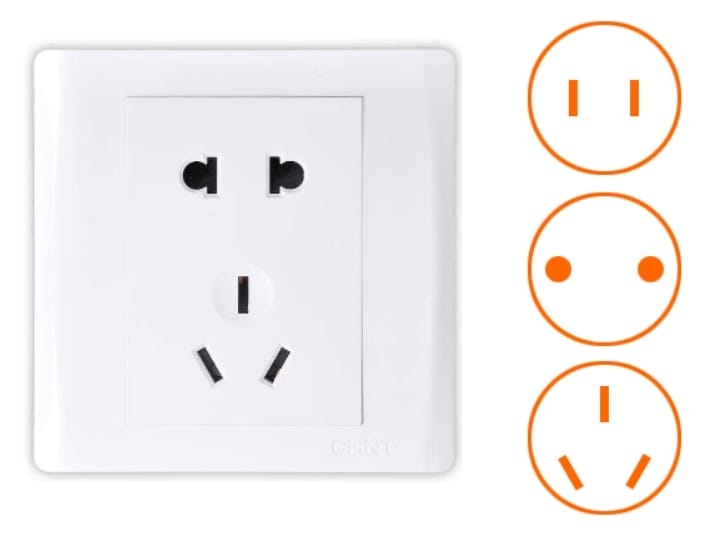
Power banks are essential for a theme park day. Between the park app, navigation, translation, and photos, your phone battery will not last a full day without one.
Accommodation Registration
⚠️ This catches many first-time visitors off guard: foreigners staying in China must register their accommodation with the local police within 24 hours of arrival. This is a legal requirement, not optional.
If you are staying at a hotel, the hotel handles this automatically at check-in — you do not need to do anything beyond showing your passport. If you are staying in a private residence, Airbnb, or with friends, you or your host must register at the nearest police station (派出所) within 24 hours. Bring your passport and your host’s ID.
In practice, this rule is enforced inconsistently, but hotels will always complete the registration. If you are staying at a Disney resort hotel or any international chain, this is handled for you.
Important Apps
Download these before you leave home — some are difficult to find or set up after you arrive in China because the download sites themselves are blocked.
| App | What it replaces | Why you need it |
|---|---|---|
| WhatsApp, LINE | Messaging + mobile payment + mini-programs for restaurants and services. The single most important app in China. | |
| Alipay | Apple Pay, Google Pay | Mobile payment. Essential backup to WeChat Pay. “Tour Pass” feature designed for international visitors. |
| Baidu Maps / Apple Maps | Google Maps | Navigation. Google Maps does not work in China. Baidu is accurate and updated. Limited English, but destination search accepts English input. |
| DiDi | Uber, Grab | Ride-hailing. English interface available. Accepts international credit cards. Eliminates the language barrier with drivers. |
| Google Translate | — | Download the Chinese language pack for offline use before entering China. Camera translation (point at Chinese text) is useful for menus and signs. |
| VPN app | — | Such as NordVPN. Install and test before you arrive. Lets you access Google, WhatsApp, Instagram, and other blocked services. |
| Park apps | — | Shanghai Disneyland App and Universal Studios Beijing App for wait times, show schedules, DPA/Express Pass, and park maps. These are not blocked. |
Pro Tip: Set up WeChat and Alipay, link your international card, and test a payment at home or at the airport before you enter China. Do not wait until you are standing in a queue at the park.
Day Trips: What to Do with an Extra Day
If you have a day before or after your park visit, both Shanghai and Beijing offer a few things worth seeing without turning your trip into a full city tour.
Shanghai (for Shanghai Disneyland visitors)
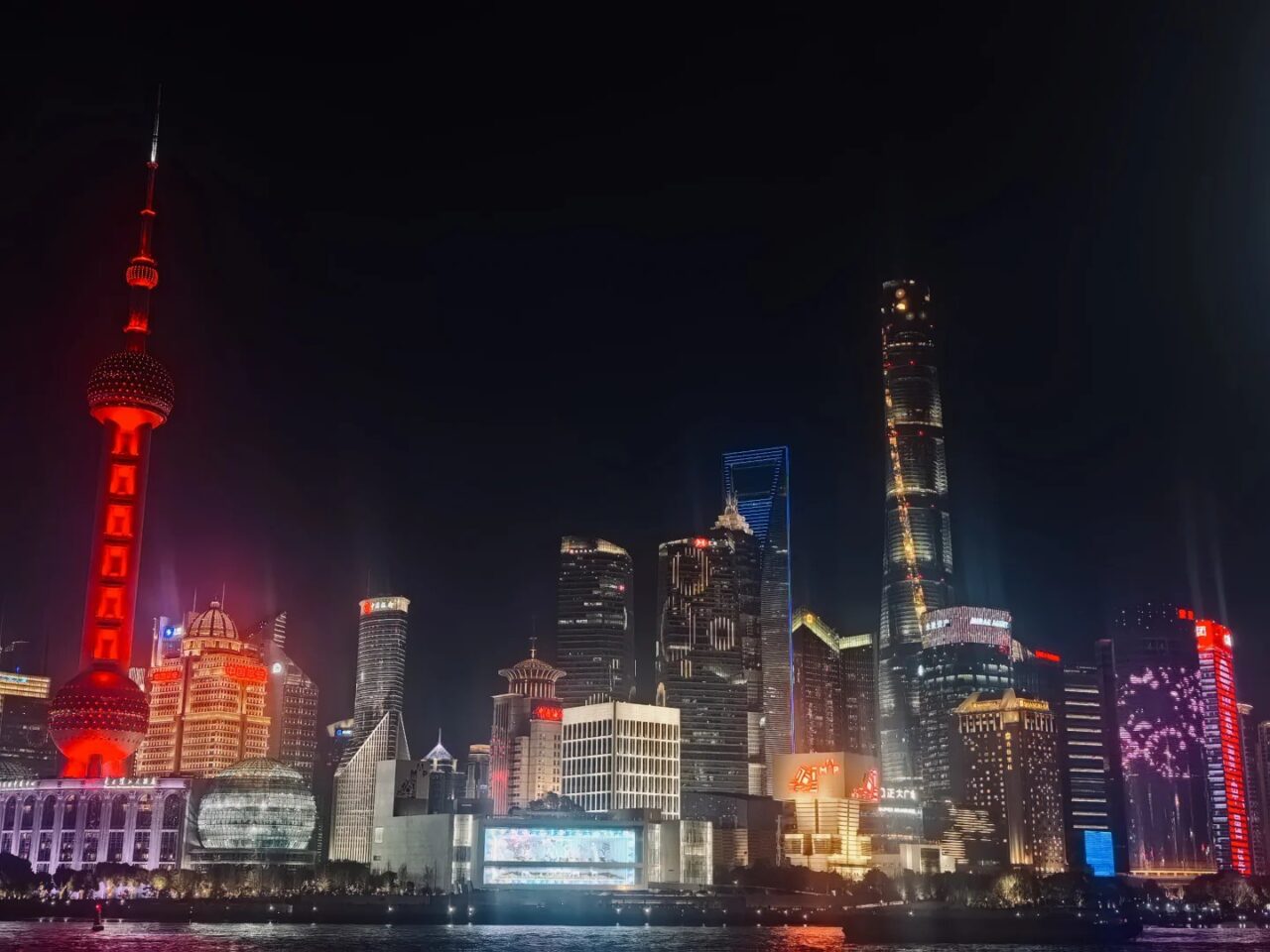
The Bund and Pudong skyline — Shanghai’s most iconic view. Walk along the waterfront promenade on the Puxi side and look across the Huangpu River at the Lujiazui skyscrapers — Oriental Pearl Tower, Shanghai Tower, and the World Financial Center. Go in the late afternoon so you see it in daylight and then lit up at night. The Bund is free, open 24 hours, and accessible from Metro Line 2 (East Nanjing Road station) or Line 10 (Yuyuan Garden station). If you want to go up, the Shanghai Tower observation deck (the world’s second-tallest building) is bookable through Klook.
Yuyuan Garden and Bazaar — A 400-year-old Ming Dynasty garden surrounded by a lively traditional-style shopping and food area. The garden itself is compact — 1.5 to 2 hours is enough. The bazaar outside is free to wander, and the xiaolongbao (soup dumplings) from the stalls are a must-try. The paid garden closes at 4:30 PM, but the bazaar area transforms at night with lanterns and golden lighting. Metro Line 10 to Yuyuan Garden station. Combine this with the Bund in one afternoon — they are a 15-minute walk apart.
Zhujiajiao Water Town — A 1,700-year-old canal town about 50 km west of central Shanghai. Stone bridges, narrow waterways, and a pace of life that feels nothing like the city. A half-day trip works well — take the morning, be back by mid-afternoon. Reachable by bus or taxi (~60 min), or book a guided day trip through Klook that combines Zhujiajiao with other Shanghai highlights.
Huangpu River cruise — A 1-hour evening cruise along the river gives you both sides of the Shanghai skyline from the water. Runs nightly, departures from near the Bund. A good option if your legs are tired from a park day but you still want to see the city. Bookable through Klook.
Beijing (for Universal Studios Beijing visitors)
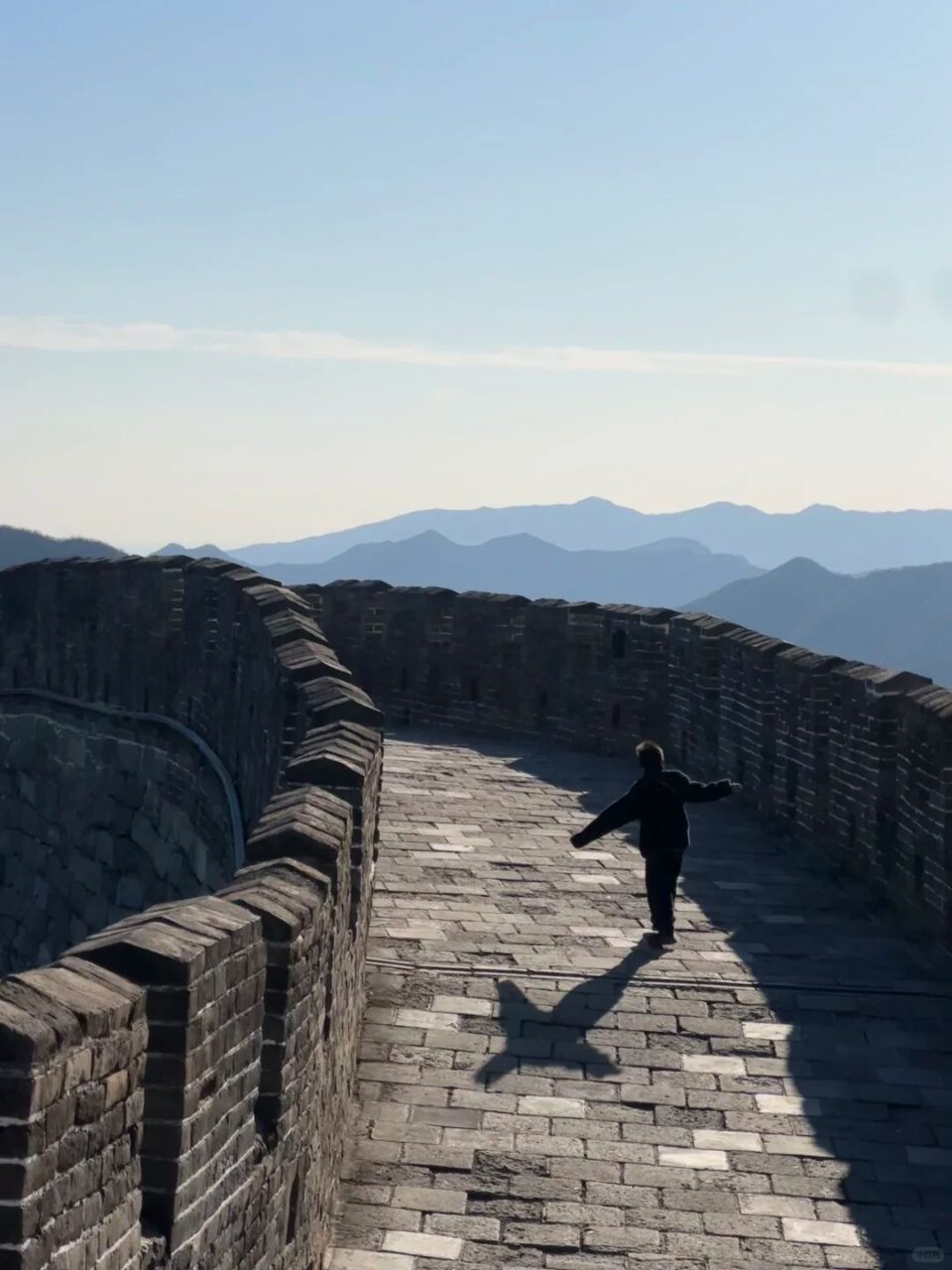
The Great Wall at Mutianyu — This is a full-day commitment, but if you have the time, it is the single most worthwhile thing you can do outside the park. I recommend Mutianyu over Badaling — it is less crowded, better restored, and the surrounding mountain scenery is more dramatic. The cable car up and toboggan slide down make it accessible even if you are not a serious hiker. Mutianyu is about 70 km north of central Beijing (90 minutes by car). The easiest option is a guided day trip with transport — Klook offers several Mutianyu packages with hotel pickup, English-speaking guide, and cable car included.
The Forbidden City — The imperial palace complex at the centre of Beijing. Massive, impressive, and worth a half-day. Book tickets in advance through the official website (passport number required) — walk-up tickets are not available. Combine it with a walk through Tiananmen Square (directly south) and Jingshan Park (directly north, climb the hill for the best overhead view of the Forbidden City rooftops). Metro Line 1 to Tiananmen East station.
Hutong walk and Houhai Lake area — The narrow alleyways (hutongs) around Houhai Lake are where old Beijing still lives. Walk or rent a bike, stop at a courtyard cafe, and explore at your own pace. The lake area is pleasant in the late afternoon and evening. No booking needed — just show up. Metro Line 8 to Shichahai station.
Is China Safe for Tourists?
Yes. China is one of the safest countries in Asia for tourists in terms of violent crime and theft. Pickpocketing is rare compared to many European cities. Walking alone at night in Shanghai and Beijing is generally safe, even in non-tourist areas. Police presence is high and public spaces are well-monitored.
The main risks for tourists are not safety-related — they are logistical. The Great Firewall, the language barrier, and the cashless payment system cause more frustration than any safety concern.
Two scams to be aware of:
- Unlicensed taxi drivers at airports who quote inflated flat fares (always use the official taxi rank and insist on the meter)
- “tea house” or “art gallery” invitation scam in tourist areas where a friendly stranger invites you to a nearby venue and you are presented with an enormous bill.
Decline politely and walk away. These scams target tourists specifically and are well-documented. Beyond these two known scams, most visitors report no safety issues during their trip. Standard travel awareness applies — keep your passport secure and your phone charged.
Visiting Theme Parks in China: Culture Worth Knowing
If this is your first visit to a theme park in mainland China, a few things about the park culture may differ from what you experience at Disney or Universal parks elsewhere.
Queue culture is improving but different. Theme park queues in China are generally orderly — cast members and team members manage the lines, and most visitors follow the rules. That said, the concept of personal space in a Chinese queue is smaller than in Japan, Singapore, or Western countries. The person behind you may stand closer than you expect. This is not rudeness — it is simply a different cultural norm. If someone does try to move ahead of you, a calm “排队” (pái duì — “please queue”) usually resolves it.
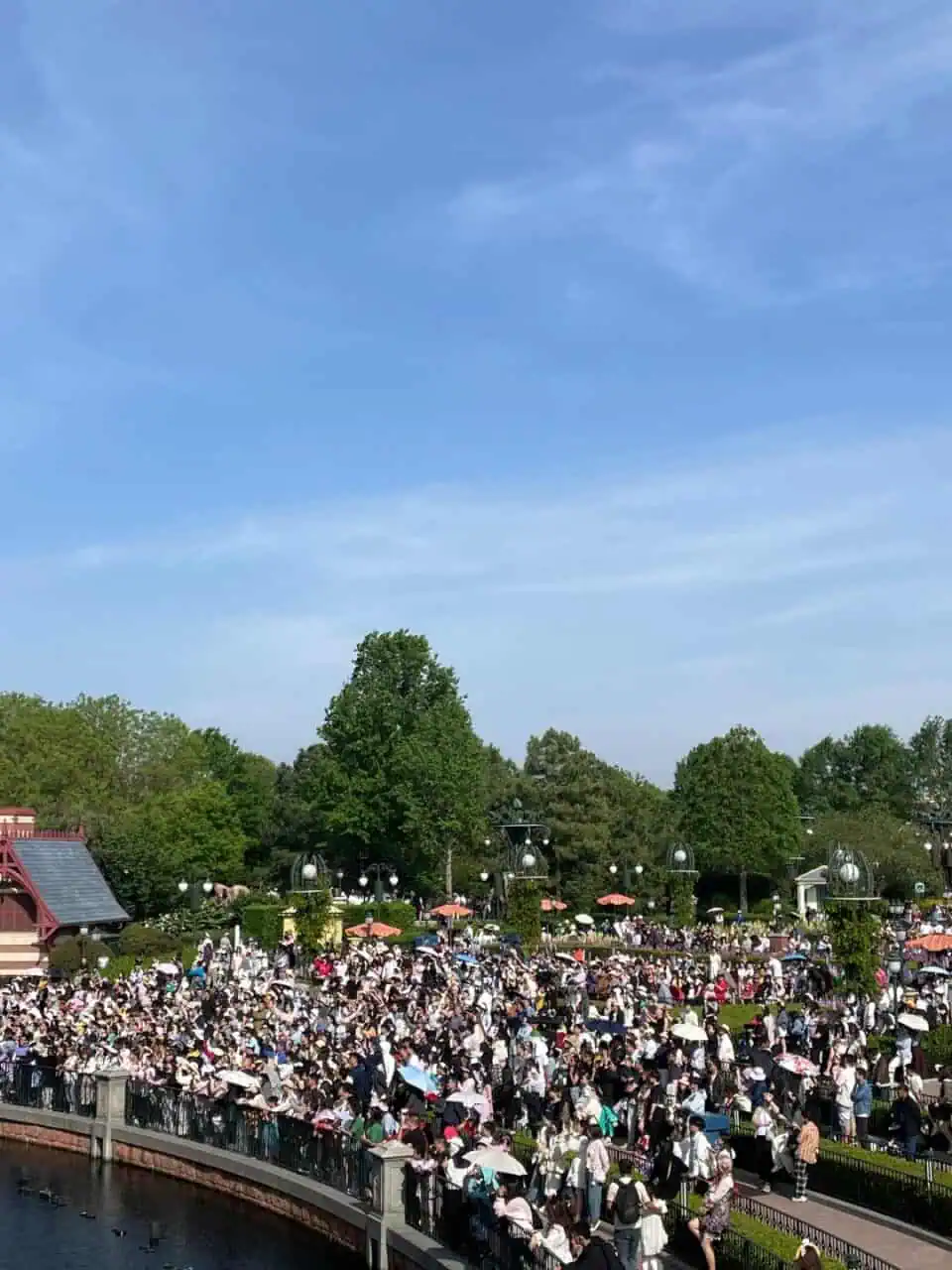
Mobile phones are out constantly. Visitors video-call family during rides, livestream parades, and record entire shows on their phones. This is normal and expected. If a phone screen is in your sightline during a show, shifting position slightly usually solves it.
Photography is a major activity. Many visitors — especially younger adults — come to the parks as much for photos as for rides. Elaborate poses, costume accessories (Disney headbands, Harry Potter robes), and dedicated photography sessions at scenic spots are standard. Expect photo-taking at popular locations to be a slower process than at parks in other countries.

Family groups are large. Three-generation visits — grandparents, parents, and children — are common. The parks are designed for this: gentle rides, shaded seating areas, and air-conditioned shows give older family members places to rest while children ride. If you are travelling with elderly parents, Chinese theme parks are culturally and practically set up for this.
Saving spots for shows and fireworks is normal. For ILLUMINATE! at Shanghai Disneyland and the Hogwarts Castle light show at Universal Studios Beijing, visitors begin claiming ground positions 30–60 minutes before showtime. Blankets, bags, and even masking tape on the ground are used to mark spots. This is accepted practice.
My Take
China is not as difficult to visit as its reputation suggests — but it does require more preparation than most destinations in Asia. The three things that trip up first-time visitors are the Great Firewall (set up your VPN and eSIM before you leave, I personally use NordVPN and Airalo app), mobile payments (link your card to WeChat Pay or Alipay before you arrive), and the visa situation (check if you even need one — most nationalities now do not).
Get those three right, and the rest of your trip — the trains, the taxis, the food, the parks — works smoothly. China’s infrastructure is modern, fast, and efficient. The metro systems in Shanghai and Beijing are cleaner and more extensive than most cities in the world. The high-speed rail between them is impressive. And the theme parks — Shanghai Disneyland and Universal Studios Beijing — are among the best in Asia.
Do the homework before you fly. The payoff is worth it.
Be sure to check out our comprehensive Shanghai Disney Planning Guide and Universal Studios Beijing Planning Guide.